
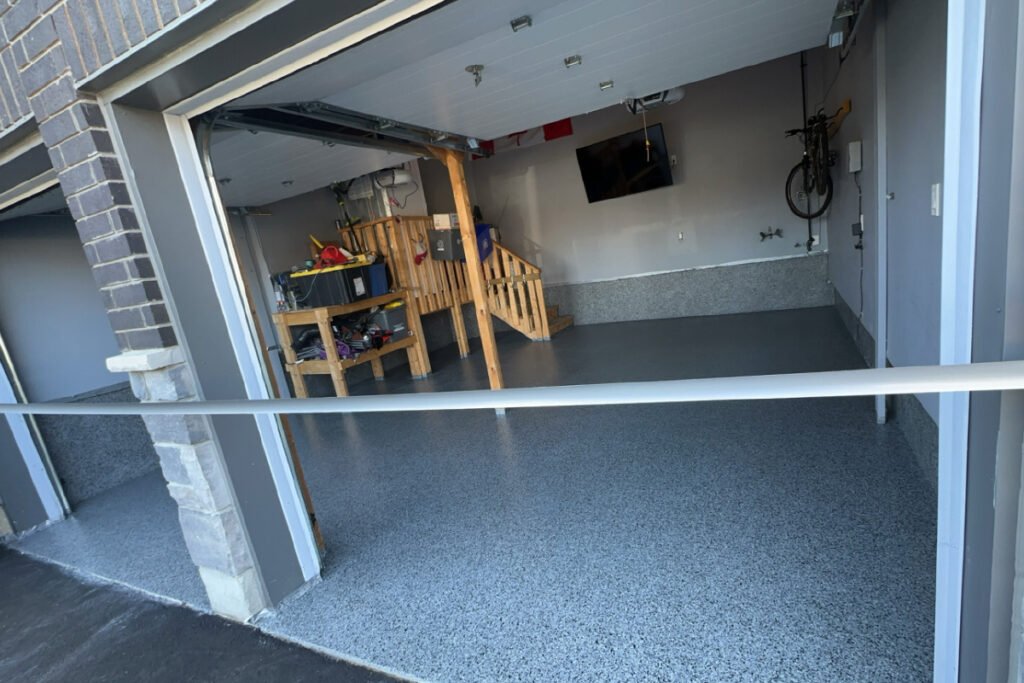
When it comes to flooring options, epoxy and Epoxy concreteare two of the most popular choices for both residential and commercial spaces. While they each have their strengths, choosing the right one depends on your specific needs, aesthetic preferences, and budget. At Dr epoxy, we specialize in helping clients find the perfect surface solution—and in this post, we’ll break down the pros and cons of both options so you can make an informed decision.
Durability & Longevity
Epoxy flooring is incredibly durable. It forms a seamless, high-strength surface that can withstand heavy foot traffic, dropped tools, and even vehicle traffic in garages or warehouses. Once cured, epoxy becomes chemically resistant, making it ideal for industrial and commercial use.
Epoxy concrete, especially porcelain and ceramic, are also durable but may crack under heavy impact or if the subfloor isn’t properly prepared. Tile can last decades with proper maintenance, but individual pieces may need to be replaced if damaged.
Winner: Epoxy for industrial strength; tiles for long-term, traditional wear.
Installation Process
Epoxy flooring requires professional surface preparation, which includes grinding or shot blasting the concrete before applying the resin-based layers. While this may sound complex, Dr epoxy can complete most installations—thanks to fast-curing polyaspartic systems—in just one day, minimizing downtime and disruption.
Epoxy concrete take more time to install due to grouting, spacing, and adhesive curing. The installation is more labor-intensive and often results in longer project timelines, especially in large areas.
Winner: Epoxy for speed and efficiency.
Aesthetic Flexibility
Epoxy offers a sleek, modern look with high-gloss or matte finishes. It’s customizable with color flakes, metallic pigments, and even 3D design options. You get a seamless, uniform surface that looks clean and professional.
Epoxy concrete come in a wide variety of colors, textures, and patterns, from rustic to ultra-modern. You can mix and match for a personalized layout, which some homeowners prefer for kitchens or bathrooms.
Winner: Tied — Epoxy for sleek, seamless looks; tiles for patterned or textured styles.
Maintenance & Cleaning
Epoxy floors are non-porous and seamless, making them incredibly easy to clean. There are no grout lines to trap dirt or moisture. Just a mop and mild cleaner will keep your floor looking new.
Epoxy concrete, while generally easy to maintain, require grout cleaning and occasional resealing, especially in high-moisture areas like bathrooms.
Winner: Epoxy, hands down.
Cost Comparison
Epoxy is often more cost-effective in the long run, especially for large areas. The initial investment might be comparable to tile, but the reduced maintenance and longer lifespan offer better value over time.
Epoxy concrete can vary widely in cost, depending on material, size, and brand. Labor costs can also drive up the total price.
Winner: Epoxy for long-term value; tiles for more budget-flexible upfront options.
Conclusion: Which One Should You Choose?
If you’re looking for fast installation, easy maintenance, high durability, and a sleek, modern finish—epoxy flooring from Epoxy concrete is your best bet. However, if you prefer a classic aesthetic with endless design possibilities and don’t mind the grout upkeep, still have their place.
Need help deciding? Contact Epoxy concrete today for a personalized consultation—we’ll help you choose the right floor that fits your lifestyle, budget, and vision.
